


How to Optimize Your Content for Voice Search
Voice search has become one of the most transformative trends in modern SEO. With more people using Google Assistant, Siri, Alexa, and other voice-enabled devices, digital marketers must shift their content strategies toward natural-language optimization, local SEO, structured data, and mobile-first performance.
This comprehensive guide covers everything you need to know about optimizing content for voice search — including content strategies, schema markup, technical SEO, local optimization, and much more.
Understanding Voice Search and Its Importance

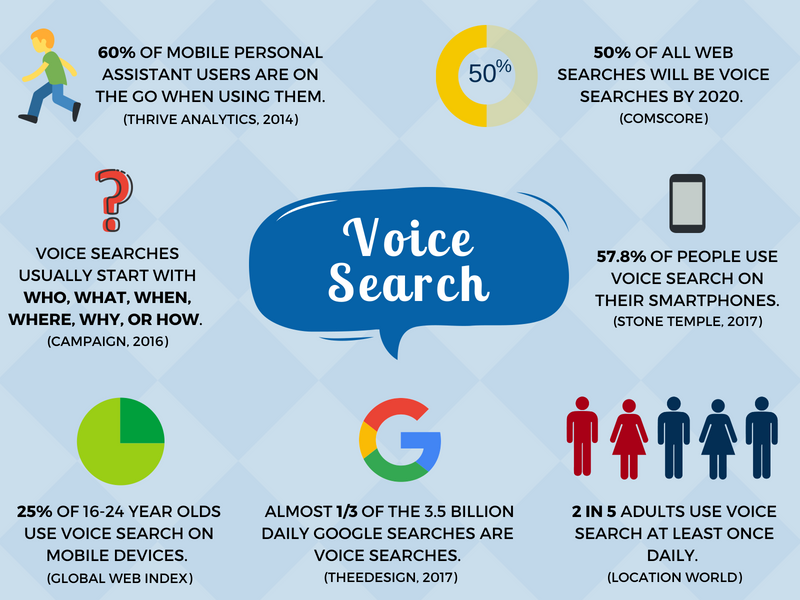
Voice search is changing how users interact with technology and how businesses must optimize their digital content. Instead of typing short queries, users now speak full, conversational questions into their devices.
This shift has fundamentally changed keyword behavior, search intent, content formatting, and the importance of local SEO.
What Exactly Is Voice Search?
Voice search allows users to perform internet searches by speaking out loud to a device. This can be done through smartphones, smart speakers, smart TVs, and even cars.
Popular voice assistants include:
Google Assistant
Amazon Alexa
Apple Siri
Microsoft Cortana
These assistants use Natural Language Processing (NLP) and AI to understand and respond to spoken language, delivering results in seconds.
Why Voice Search Is Growing Rapidly
Several technological and behavioral shifts have contributed to the massive adoption of voice search:
1. Increased Use of Mobile Devices
Most voice searches come from mobile devices. Users prefer speaking over typing, especially when multitasking.
2. Rapid Growth of Smart Speakers
Homes worldwide now use:
Amazon Echo
Google Home
Apple HomePod
These devices encourage conversation-based queries.
3. Faster Response Expectations
Users want instant, direct answers. Voice search prioritizes quick, concise information.
4. Natural Human Behavior
Talking is easier than typing. Voice search mimics a natural conversation.
How Voice Search Affects User Behavior
Voice search queries differ significantly from typed searches:
| Typed Search | Voice Search |
|---|---|
| “best seo tips” | “What are the best SEO tips for beginners?” |
| “pizza shop near me” | “Which is the best pizza shop open near me right now?” |
Voice queries are:
Longer
Conversational
Intent-driven
Often framed as questions
Understanding this behavior is critical for voice search optimization.
Key Strategies to Optimize for Voice Search

To optimize effectively for voice search, marketers must understand the foundations of voice-focused SEO.
Here are the fundamental strategies:
1. Adopt a Natural, Conversational Tone
Voice search queries use natural language, so your content must reflect how real people speak.
How to write conversational content:
Use simple, clear language
Avoid jargon
Write in an active voice
Keep sentences short and natural
Use question-and-answer formats
2. Prioritize Local SEO
A large portion of voice searches are local-intent, such as:
“Where is the nearest ATM?”
“Best restaurants near me.”
Strengthen your local SEO through:
Local keywords
Google Business Profile optimization
Local schema markup
Positive reviews
3. Use Structured Data (Schema Markup)
Search engines rely on schema to interpret context.
Adding schema helps search engines understand:
Your topics
FAQs
Business details
Locations
Articles
Schema markup improves chances of landing featured snippets, which voice assistants often read aloud.
4. Ensure a Fast, Mobile-Friendly Website
Voice search users want instant answers. Load time is critical.
Improve mobile usability by:
Using responsive design
Reducing image sizes
Improving Core Web Vitals
Optimizing navigation for touch
5. Target Featured Snippets
Position Zero (featured snippets) is often the chosen voice answer.
To win snippets:
Use clear headers
Answer questions directly
Provide 29–41-word responses
Use bullet points
Add tables
Use structured content
Voice Search Optimization Strategy: Step-by-Step Guide
This guide outlines what you must do if you want your website to rank for voice queries.
1. Use a Natural Conversational Tone
People talk differently than they type. Your content must match this conversational style.
How to sound conversational:
Use “what,” “how,” “why,” “where,” and “when.”
Use contractions like “you’re,” “they’re,” etc. (carefully).
Write FAQs in natural language.
Answer questions directly.
2. Focus on Long-Tail Keywords
Long-tail phrases capture conversational speech patterns better.
Examples:
“How can I optimize my website for voice search?”
“Which tools help with voice SEO analysis?”
3. Create Question-Based Content
People ask voice assistants questions.
How to build question-based content:
Use headings like:
What is voice search optimization?
How does voice search impact SEO?
Answer in 29–41 words first
Add extended explanations below
4. Target Featured Snippets
Voice assistants love answering with featured snippets.
Optimize snippet content by:
Including definitions
Using short lists
Writing direct answers
Formatting with structured headers
5. Use an Accessible Reading Level
Voice search prefers content at a 9th-grade reading level or lower.
Tips:
Simple vocabulary
Short sentences
Clear instructions
Technical Optimization for Voice Search
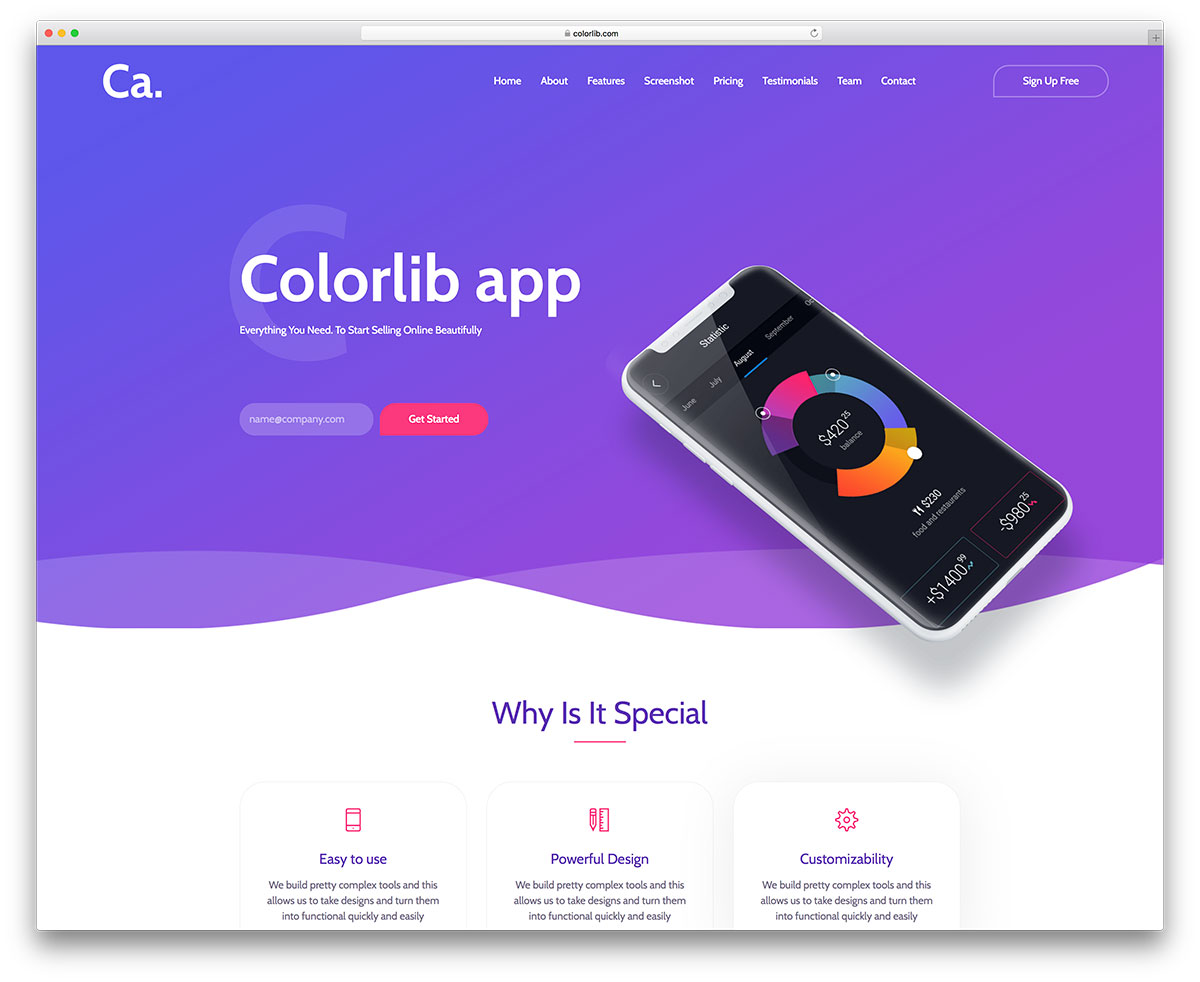
Voice search SEO heavily relies on the technical performance of your website. This section explains how to optimize technically for better rankings.
Ensure Mobile-Friendliness
Voice search is dominated by mobile users.
Your website must be mobile-friendly.
Steps to improve mobile friendliness:
Use responsive templates
Ensure text is readable without zooming
Use compressed images
Remove intrusive pop-ups
Improve Core Web Vitals:
LCP
FID
CLS
Improve Page Speed
Fast loading improves rankings and voice answer selection.
Ways to improve page speed:
Minify JavaScript and CSS
Enable browser caching
Compress images
Use lazy loading
Upgrade to a faster server
Use CDN
Aim for under 3 seconds.
Implement Structured Data (Schema Markup)
Schema markup is essential for voice search.
Key types of schema to add:
FAQPage
Article
HowTo
Speakable
LocalBusiness
Schema Markup Code Example (FAQPage)
{ "@context": "https://schema.org", "@type": "FAQPage", "mainEntity": [{ "@type": "Question", "name": "What is voice search optimization?", "acceptedAnswer": { "@type": "Answer", "text": "Voice search optimization improves your content for voice-based queries using conversational keywords, structured data, mobile performance, and direct answers." } }, { "@type": "Question", "name": "Why is voice search important?", "acceptedAnswer": { "@type": "Answer", "text": "Voice search is important because users are increasingly relying on voice assistants for quick, accurate answers. Optimizing for voice search improves visibility and enhances user experience." } }] }
Secure Your Website with HTTPS
HTTPS indicates trustworthiness.
Benefits:
Better rankings
Improved security
Higher user confidence
Required for many features
Local SEO Focus
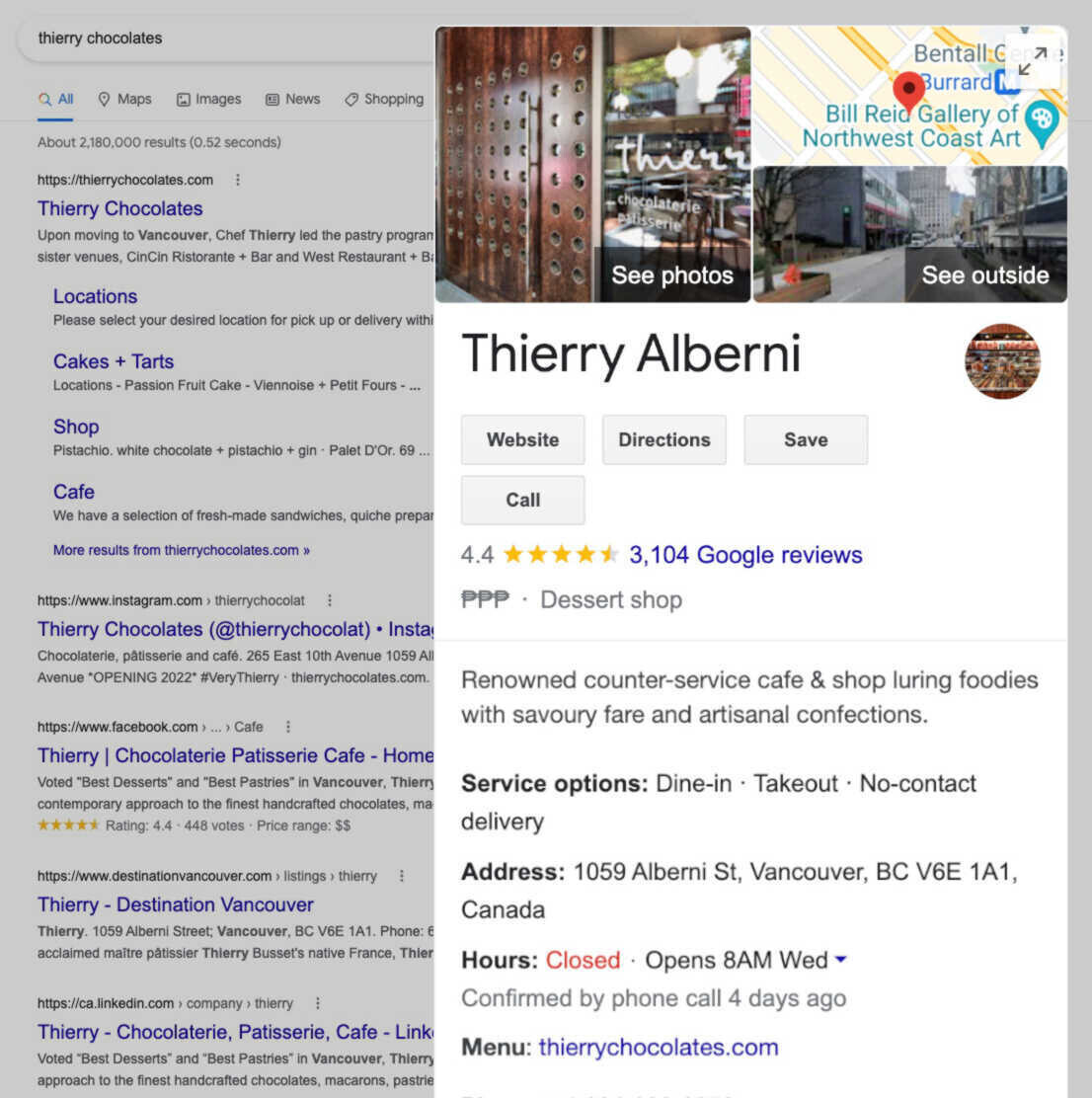
Because so many voice searches have local intent, local SEO is one of the most important parts of voice optimization.
Optimize Your Google Business Profile
A complete Google Business Profile increases your local ranking and voice search visibility.
Steps to optimize GBP:
Add accurate NAP (name, address, phone)
Add photos and videos
Add business hours
Include a detailed business description
Add services and products
Respond to reviews
Keep information updated
Encourage Customer Reviews
Voice assistants often consider review scores when recommending businesses.
How to get more reviews:
Ask customers after service
Use follow-up emails
Make the review process simple
Respond professionally to each review
Use Location-Based Keywords
Location keywords help your business appear in local voice queries.
Examples:
“Best digital marketing course in Kolkata”
“SEO agency near Gariahat”
“Top café near me open now”
Include them naturally in:
Meta titles
Descriptions
Headers
Content
Best Practices for Voice Search Optimization
This section enhances your overall SEO strategy.
1. Regularly Update and Refresh Content
Freshness improves rankings.
Best ways to refresh content:
Update statistics
Add new FAQs
Refresh titles
Improve readability
Add missing subtopics
2. Ensure Website Accessibility and Usability
Accessibility improves user experience.
Checklist:
Alt text
ARIA labels
Descriptive anchor texts
Keyboard navigation
Clear headings
3. Leverage Social Media
Social platforms amplify content reach.
How to use social media for voice search optimization:
Share FAQ-based posts
Repurpose blogs into short videos
Engage with followers
Answer user questions publicly
4. Engage with Interactive and Multimedia Content
Interactive content increases time on site.
Use:
Videos
Infographics
Podcasts
Quizzes
Polls
5. Use Schema Markup
Enhances visibility in search results.
Use schema for:
FAQs
Business details
Products
Services
Locations
6. Monitor and Analyze Performance
Use:
Google Analytics
Google Search Console
Track:
Query impressions
Device reports
Speed reports
Snippet performance
7. Provide Clear and Concise Answers
Voice assistants pull answers that are short and clear.
How to structure answers:
29–41 words
Use simple language
Answer directly before explaining
6 Tactics to Improve Your Voice Search Optimization

Here are six actionable tactics you can start implementing today.
1. Research Keywords for Voice Search
Voice keyword research differs from traditional keyword research.
How to find voice-friendly keywords:
Use AnswerThePublic for questions
Explore Google’s “People Also Ask”
Analyze customer support logs
Study long-tail keyword tools
Check voice-based keyword modifiers
2. Analyze Search Results for Your Target Keywords
Search results reveal what Google prefers.
What to analyze:
Featured snippets
Content style
Schema markup presence
Competitor formatting
Answer length
3. Audit and Optimize Your Website Content
A content audit helps you identify gaps.
Audit checklist:
Do pages answer common questions?
Are answers concise?
Are headers structured properly?
Is schema implemented?
Is the content easy to read?
4. Improve Technical SEO
Technical SEO enhances performance.
Focus on:
Page speed
Mobile responsiveness
Structured data
XML sitemap health
Cache policies
5. Practice Strong Local SEO
Local SEO is critical for voice-based queries.
Optimize:
Google Business Profile
Local keywords
Service area pages
Local backlinks
Citations
6. Continuously Monitor Your Performance
Track and refine based on data.
Monitor:
Query changes
Keyword trends
Local impressions
Snippets won/lost
Page speed performance
Conclusion
Voice search is redefining the SEO landscape. As users increasingly rely on voice assistants for quick and accurate answers, businesses must adapt their content formats, improve technical performance, and enhance local SEO.
By applying the strategies in this guide — from conversational content and schema markup to mobile optimization and local SEO — you can significantly increase your chances of ranking in voice search results.
To master SEO, content writing, and voice search optimization, enroll in the Start your journey with the Best Digital Marketing Course in Kolkata to master modern SEO techniques including voice search optimization.